Choosing the right siding for house projects directly impacts curb appeal, energy bills, and long‑term durability, which is why homeowners start by comparing material options, climate suitability, and installation costs before making a decision. If you’re looking for a fast, low‑maintenance solution that also boosts insulation, vinyl siding often tops the list—see the Vinyl Siding 2026 Guide for a deep dive on pricing and energy‑saving benefits.
Understanding Siding: The First Step Toward a Smarter Home Exterior
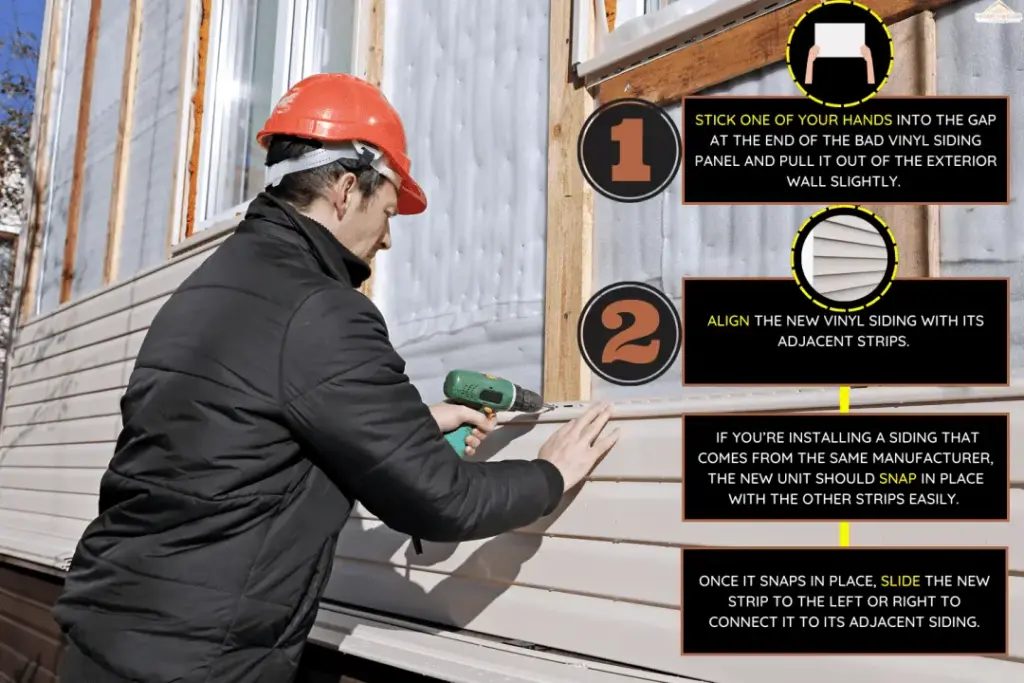
Siding is the protective skin that shields a house from weather, pests, and wear while providing a visual identity. Modern homeowners view siding not just as a barrier but as a strategic upgrade that can reduce heating and cooling loads by up to 15 % when paired with proper insulation, according to the U.S. Department of Energy’s 2026 Energy Efficiency Report.
Why Siding Matters in 2026
- Energy efficiency: Advanced siding systems incorporate reflective coatings and insulated backings that lower thermal transfer.
- Resale value: Real estate data from Zillow’s 2026 market analysis shows homes with new exterior cladding sell on average 7 % faster.
- Maintenance savings: Materials like fiber‑cement and vinyl require far fewer repairs than traditional wood.
Popular Siding Materials in 2026 and Their Core Benefits
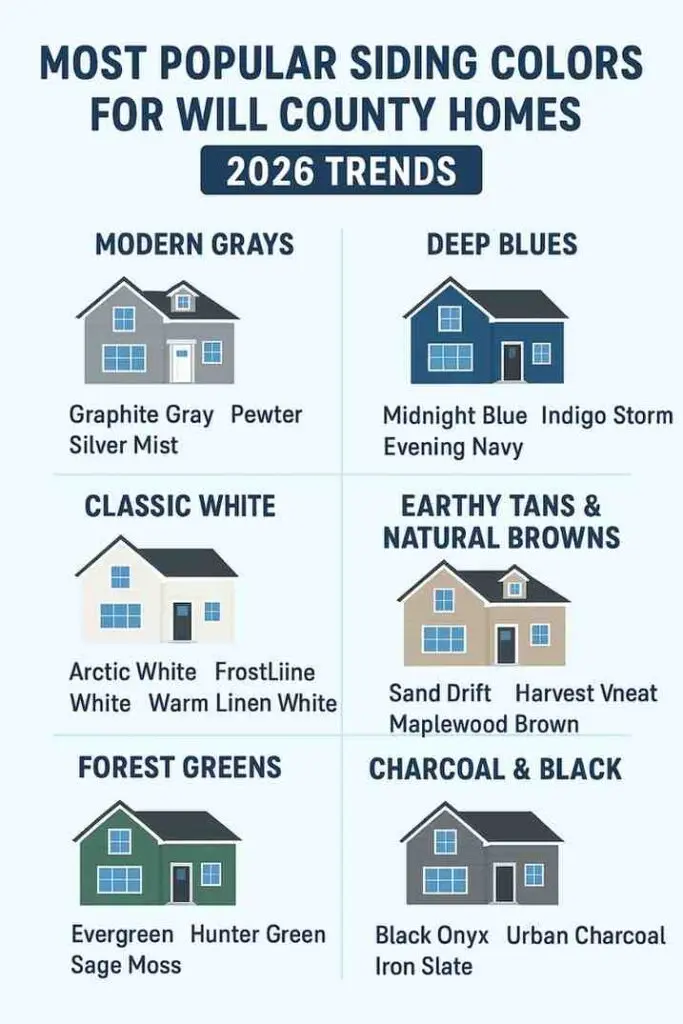
Each siding type offers a unique blend of aesthetics, performance, and cost. Below is a quick comparison based on the latest industry surveys from the National Association of Home Builders (NAHB).
Vinyl Siding
Vinyl remains the most widely installed exterior cladding, accounting for 46 % of all new installations in the U.S. in 2026. Its advantages include:
- Low upfront cost—average $3.50 per square foot (material only).
- Excellent resistance to moisture and pests.
- Variety of colors and textures that won’t fade for at least 25 years.
For homeowners who prefer professional expertise, the Find Top Vinyl Siding Contractors Near Me – 2026 Expert Guide helps locate vetted installers in any region.
Fiber‑Cement Siding
Fiber‑cement combines cement, sand, and cellulose fibers, offering a wood‑like appearance with superior fire resistance. According to the 2026 Building Materials Report by the American Wood Council, its average lifespan exceeds 50 years, making it a solid long‑term investment.
Engineered Wood Siding
Engineered wood mimics natural lumber but is treated to resist rot and insects. It’s lighter than traditional wood, which can simplify installation on older frames. The 2025 Consumer Reports rating gave it an 8.2/10 for durability.
Metal Siding (Aluminum & Steel)
Metal panels excel in areas prone to high winds or wildfire risk. They reflect solar radiation, contributing to lower cooling costs. The Metal Roofing Alliance notes that steel siding can be recycled at the end of its 40‑year life cycle, supporting green building goals.
How to Choose the Right Siding for Your House
Picking the perfect cladding involves balancing three main factors: climate, budget, and aesthetic preferences.
Climate Considerations
- Hot, humid regions: Opt for breathable vinyl or insulated fiber‑cement to prevent moisture buildup.
- Cold, snowy zones: Insulated vinyl and metal siding with a thermal break can reduce heat loss.
- Coastal areas: Look for UV‑stable, salt‑resistant finishes; marine‑grade aluminum is a top choice.
Budget Planning
Based on the 2026 Cost of Home Improvements Survey by HomeAdvisor, the average total cost (materials + labor) for a 2,000‑sq‑ft home is:
- Vinyl siding: $7,500 – $10,500
- Fiber‑cement: $10,500 – $14,000
- Engineered wood: $9,000 – $12,500
- Metal siding: $11,000 – $15,500
Remember that labor can vary up to 30 % based on regional contractor rates and project complexity.
Style & Design
From traditional clapboard to modern board‑and‑batten, each material can be customized. Use architectural reference books or online visualizers to match the siding profile with your home’s era.
Step‑by‑Step Guide to Vinyl Siding Installation (2026 Best Practices)
Even if you plan to hire professionals, understanding the process helps you evaluate quotes and oversee quality. Below is a concise action plan based on the Vinyl Siding 2026 Guide.
1. Preparation and Inspection
- Inspect existing sheathing for rot or water damage; replace any compromised sections.
- Install a weather‑resistant barrier (WRB) such as house wrap, complying with International Residential Code (IRC) Section R703.2.
2. Measuring & Layout
Accurately measure wall dimensions and plan the order of panels to minimize waste. Professional installers use laser measuring tools that reduce material off‑cut by up to 12 %.
3. Installing Starter Trim
Secure a level starter strip at the base of each wall. This ensures a straight line for the first row of siding and accommodates any slight slope for drainage.
4. Applying Vinyl Panels
- Begin at the bottom, locking each panel into the previous one using the manufacturer’s nailing pattern.
- Leave a 1/4‑inch expansion gap at corners and windows to allow for thermal movement.
- Use corrosion‑resistant nails (galvanized or stainless steel) as recommended by the Vinyl Siding Institute.
5. Finishing Touches
Install J‑channel around doors, windows, and rooflines to create a water‑tight seal. Apply caulk where necessary, especially around penetrations.
6. Quality Inspection
Conduct a final walk‑through to verify that all panels are level, seams are tight, and flashing is correctly placed. A certified inspector can issue a compliance certificate, which may be required for warranty claims.
Cost Breakdown and Return on Investment (ROI)
While the upfront expense of siding can feel steep, the long‑term savings often justify the investment.
Energy‑Saving Benefits
The 2026 Energy Star program reports that homes with insulated vinyl siding see an average reduction of 12 % in heating costs and 9 % in cooling costs, translating to roughly $400–$600 in annual utility savings for a typical 2,000‑sq‑ft residence.
Resale Value Impact
According to Realtor.com’s 2026 Home Value Index, a fresh siding upgrade adds approximately 5 % to a property’s market price, with the highest gains seen in suburban markets where curb appeal heavily influences buyer decisions.
Financing Options
Many lenders now offer “green improvement loans” with rates as low as 3.2 % APR for energy‑efficient exterior upgrades, making it easier to spread the cost over 5‑10 years.
Common Mistakes Homeowners Make and How to Avoid Them
- Skipping the WRB: Without a proper weather‑resistant barrier, moisture can infiltrate the wall cavity, leading to mold.
- Improper nailing: Over‑driving nails crush the siding’s locking groove, reducing its ability to expand and contract.
- Choosing the cheapest material without climate fit: Low‑cost vinyl may warp in extreme heat zones; investing in a higher‑grade product saves money long‑term.
- Neglecting trim and flashing: Gaps around windows and doors are prime leak sites; high‑quality J‑channel and flashing are non‑negotiable.
Real‑World Case Study: A Midwest Family’s Siding Upgrade
In March 2026, the Johnson family from Des Moines, Iowa, replaced their aging wood clapboard with insulated vinyl siding. They partnered with a contractor from the top vinyl siding contractors guide to ensure proper installation.
Key outcomes after one year:
- Heating bills dropped from $1,250 to $950 (24 % reduction).
- Exterior paint maintenance eliminated, saving $350 annually.
- Home appraisal increased by $12,000, reflecting the 5 % market premium for new siding.
This case illustrates how strategic siding selection and professional execution deliver both comfort and financial upside.
Frequently Asked Questions (FAQ)
What is the typical lifespan of vinyl siding?
Modern 2026‑grade vinyl siding, when properly installed, can last 30–40 years before fading or cracking becomes noticeable.
Can I install siding myself, or should I hire a pro?
DIY installation is possible for experienced handymen, but professional installers guarantee compliance with building codes, proper flashing, and warranty protection. The expert guide lists certified contractors who can also help with permits.
How does insulated siding differ from regular siding?
Insulated siding incorporates a foam backing (usually EPS) that adds R‑value to the wall assembly. This improves thermal performance and reduces sound transmission.
Is siding recyclable?
Yes. Vinyl, metal, and fiber‑cement siding can be recycled at most commercial facilities. Metal siding has the highest recycling rate, often exceeding 80 %.
What maintenance does siding require?
Vinyl and metal siding typically need only an annual wash with a garden hose or mild detergent. Fiber‑cement may need occasional resealing in high‑moisture climates.
Final Thoughts: Making the Right Siding Choice for Your Home
Investing in high‑quality siding for house exteriors is a decision that blends aesthetics, energy efficiency, and long‑term durability. By evaluating climate demands, budgeting realistically, and selecting reputable installers—especially those highlighted in the 2026 vinyl siding guide—you can secure a resilient, attractive façade that pays dividends for decades.
Ready to start your siding project? Begin with a material comparison, get a few quotes from certified contractors, and use the data above to forecast energy savings and resale value. A well‑executed siding upgrade not only protects your home but also elevates your quality of life.