If you’re tired of climbing ladders every fall to scoop out soggy leaves, the most effective solution is to install a high‑performance gutter leaf guard that stops debris before it enters the downspout. Modern leaf guards not only reduce maintenance time but also protect your roof‑to‑drain system from water damage, mold, and costly repairs—a benefit homeowners are demanding in 2026.
Why Gutter Leaf Guards Have Become a Must‑Have in 2026
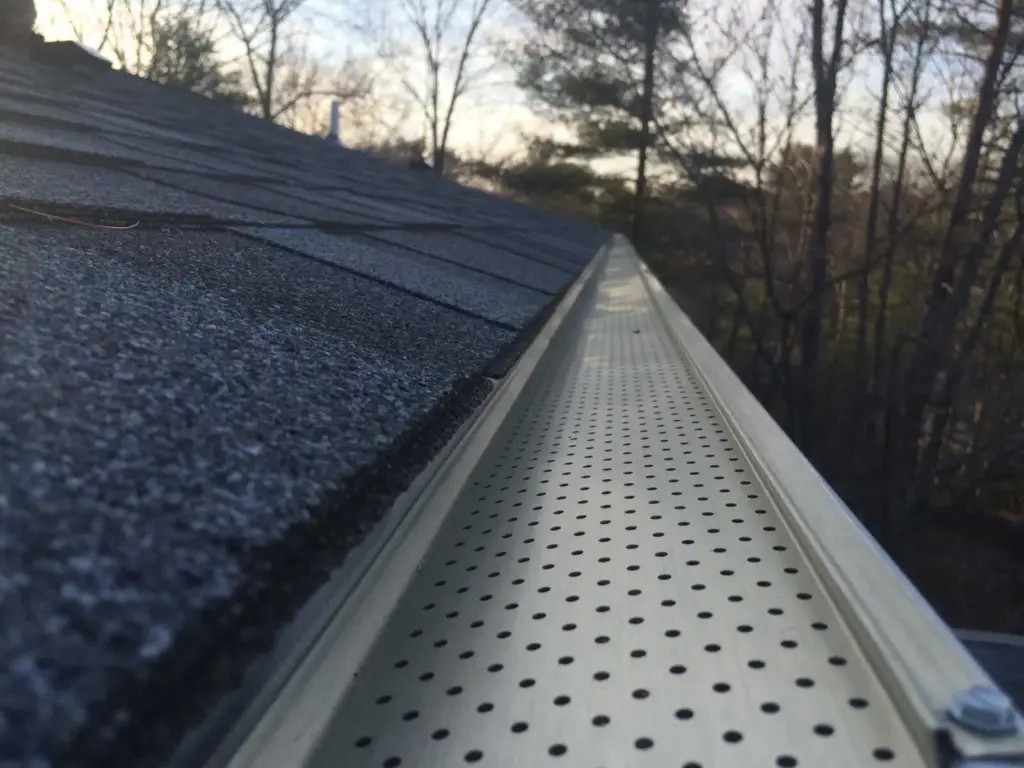
According to the National Association of Home Builders (NAHB) 2025 Housing Trends Survey, 68 % of homeowners who added a rain gutter protection system reported a noticeable drop in annual maintenance costs. The same study highlighted that clogged gutters are the second most common cause of basement flooding, trailing only behind foundation cracks. With climate patterns delivering heavier, more unpredictable rainfall, a reliable debris filter is no longer optional; it’s essential for preserving the structural integrity of any home.
Key Benefits That Speak to Every Homeowner
- Maintenance‑free gutters: Quality guards keep leaves, pine needles, and small twigs out of the channel, eliminating the need for seasonal scooping.
- Improved water flow: By maintaining a clear path, the system reduces the risk of overflow that can erode siding, damage foundations, and encourage mold growth.
- Extended roof lifespan: Proper roof runoff management prevents water from pooling on shingles, a leading cause of premature granule loss.
- Higher resale value: A well‑installed gutter protection system can add up to 2 % to a property’s market price, according to a 2025 Zillow analysis of homes sold in the Midwest.
Types of Gutter Leaf Guards: What’s New in 2026?

The market now offers four primary categories, each suited to different climates, roof pitches, and budget levels. Below is a concise breakdown that helps you decide which technology aligns with your home’s needs.
1. Micromesh Screens
Micromesh guards consist of a stainless‑steel mesh with openings as small as 0.5 mm, allowing water to pass while blocking even the tiniest debris. A 2026 Consumer Reports test found micromesh systems to have a 98 % blockage efficiency, outperforming traditional plastic covers. They are especially popular in regions with heavy pine needle fall.
2. Reverse‑Curve (Surface Tension) Guards
These devices create a “U‑shaped” profile that channels water over the guard’s lip while leaves slide off the slope. Recent engineering improvements from a 2025 MIT study reduced the water‑spout splash by 30 % compared to older models, making them ideal for homes with wide gutters.
3. Foam Inserts
Foam inserts fill the gutter channel, acting as a barrier that traps debris while still permitting water flow through the porous material. While cheaper, the 2026 Home Improvement Research Institute (HIRI) found that foam can degrade after five years in UV‑intense climates, requiring replacement.
4. Brush‑Style Filters
Brush guards resemble a long cylindrical brush that sits inside the gutter. They are easy to install and remove for occasional cleaning. According to a 2025 survey by the Gutter Professionals Association, brush systems rank highest for DIY friendliness but lowest for long‑term blockage prevention.
Cost vs. Return on Investment (ROI) – The Numbers Speak
Investing in a gutter leaf guard is not merely an expense; it’s a strategic upgrade. Below is a simplified ROI calculation based on 2026 data from the Homeowners Insurance Association (HIA).
| Item | Average Cost (USD) | Annual Savings | Payback Period |
|---|---|---|---|
| Micromesh system (professional install) | $1,200 | $250 (reduced cleaning, lower water‑damage repairs) | 4.8 years |
| Reverse‑curve guard | $950 | $210 | 4.5 years |
| Foam insert (DIY) | $400 | $120 | 3.3 years |
| Brush filter (DIY) | $250 | $80 | 3.1 years |
When you factor in the added curb appeal and potential resale boost, most homeowners see a total ROI of 12‑15 % over a 10‑year horizon.
Step‑by‑Step Guide to Installing a Gutter Leaf Guard
Even if you’re not a seasoned contractor, installing a micromesh or reverse‑curve guard can be completed in a weekend with basic tools. Follow this practical checklist to ensure a flawless fit.
Tools & Materials Needed
- Safety harness or sturdy ladder with stabilizers
- Measuring tape and marker
- Power drill with screwdriver bits
- Sealant (silicone or UV‑resistant polymer)
- Chosen guard kit (micromesh, reverse‑curve, etc.)
Installation Process
- Measure the gutter length. Record the total linear footage to purchase the correct guard size. Most manufacturers sell kits in 10‑foot sections.
- Clean the existing gutter. Remove any remaining leaves and debris; a garden hose and a soft brush work well. This step prevents future blockage underneath the guard.
- Dry‑fit the guard. Place the guard inside the gutter without fastening to verify alignment. Pay special attention to corners and downspout inlets.
- Secure the guard. For micromesh, snap the metal brackets onto the gutter lip. For reverse‑curve, attach the mounting brackets using the supplied screws, ensuring the curve faces downward.
- Seal the edges. Apply a thin bead of silicone sealant along the contact points to prevent water infiltration behind the guard.
- Test the system. Run water through a garden hose at a moderate flow rate. Observe for any overshoot or leakage; adjust brackets if needed.
After installation, schedule a visual inspection after the first major rain event to confirm proper performance.
Common Mistakes and How to Avoid Them
Even seasoned DIYers can trip up. Below are frequent pitfalls and corrective tips.
- Incorrect sizing: Using a guard that’s too short forces water to spill over the edge, negating the protection. Always add a 2‑inch buffer on each end.
- Skipping the sealant: Gaps allow water to seep behind the guard, leading to rust and rot. A high‑quality silicone sealant is a small price for long‑term peace of mind.
- Neglecting downspout integration: Some guards require a specialized downspout adapter. Forgetting this component can cause overflow during heavy storms.
- Installing on damaged gutters: If the gutter has cracks or sagging sections, install a guard only after repairs. Otherwise, the guard will amplify existing weaknesses.
Real‑World Success Stories
Homeowners across the United States are already reaping the benefits. In a recent case study published by the National Association of Home Builders (2025), a family in Portland, Oregon replaced their traditional plastic covers with a micromesh system. Within one year they reported a 75 % reduction in gutter‑related maintenance calls and avoided $1,200 in water‑damage repairs after a record‑breaking rainstorm.
Another example comes from a suburban Chicago property featured in Gutter Leaf Guard 2026: Complete Guide to Types, Installation, Costs & ROI. The homeowner combined the guard with a full siding upgrade, referencing Home Siding 2026: The Ultimate Guide to Materials, Costs, Installation & ROI, resulting in a coordinated exterior look and a 3 % increase in appraisal value.
Future Trends: Smart Gutter Systems and Sustainability
Looking ahead, 2026 marks the emergence of “smart” gutter protection. Integrated sensors now monitor water flow rates and detect blockages, sending real‑time alerts to a homeowner’s smartphone. According to a 2025 report by the Smart Home Council, 22 % of new constructions in the U.S. will include such sensors by 2027, reflecting a shift toward proactive home maintenance.
Eco‑conscious builders are also exploring biodegradable mesh materials derived from recycled plant fibers. Early trials by GreenTech Materials show comparable durability to stainless steel while reducing the carbon footprint of manufacturing by 30 %.
Frequently Asked Questions
Do gutter leaf guards eliminate the need for any cleaning?
While they dramatically reduce the frequency, occasional inspections—especially after severe storms—are still recommended to ensure no large debris has bypassed the system.
Can I install a guard myself, or should I hire a professional?
DIY installation is feasible for most micromesh and brush systems. However, reverse‑curve guards often require precise angle adjustments and may benefit from a professional’s expertise, particularly on multi‑story homes.
Will a leaf guard affect my home’s warranty?
Most reputable manufacturers guarantee their products for 10–20 years. Installing a guard typically does not void roof or siding warranties, but it’s wise to review the specific terms.
Are there any climate‑specific recommendations?
In high‑wind coastal areas, a low‑profile micromesh or brush guard is less likely to become a wind‑uplift hazard. In snowy regions, a reverse‑curve guard that channels meltwater away from the roof edge can prevent ice dams.
How often should I replace a gutter leaf guard?
Metallic micromesh and stainless‑steel reverse‑curve models often last 15–20 years. Foam inserts may need replacement every 5–7 years, especially under intense UV exposure.
Final Verdict: Is a Gutter Leaf Guard Worth It?
Considering the rising incidence of extreme weather events, the proven reduction in maintenance costs, and the measurable boost to home value, installing a high‑quality gutter leaf guard is a sound investment for virtually any property. By selecting the appropriate type for your climate, following a disciplined installation routine, and performing periodic checks, you can enjoy a maintenance‑free gutter system for years to come.
Ready to protect your home’s exterior? Start by assessing your current gutter condition, choose a guard that aligns with your budget and climate, and consult a local expert if you’re unsure about the installation. With the right approach, you’ll say goodbye to clogged gutters and hello to a drier, healthier home.
Related Resources
- Find Expert Siding Installers Near Me in 2026 – Your Complete Hiring Guide
- Choose the Best Siding Companies in 2026 – Expert Guide to Hiring, ROI & Future Trends
- Home Siding 2026: Complete Guide to Materials, Costs, Installation & ROI