Homeowners and builders turn to fiber cement siding when they need a cladding material that combines fire‑resistance, low maintenance, and superior weather resistance while still looking sleek. In 2026 the market shows a steady rise in demand because the product delivers long‑lasting protection against moisture, termites, and UV degradation, making it a top choice for energy‑efficiency upgrades and curb‑appeal projects.
What Is Fiber Cement Siding and Why It Matters
Fiber cement siding is a composite panel made of cement, sand, and cellulose fibers that are compressed and cured under high temperature and pressure. The resulting board is dense, hard, and non‑combustible, meeting the latest International Building Code (IBC) fire‑rating standards. Unlike traditional wood lap or vinyl, fiber cement does not swell, rot, or crack when exposed to extreme temperature swings, which explains its growing popularity in coastal, wildfire‑prone, and high‑humidity regions.
Key Advantages Over Competing Materials
1. Fire‑Resistance and Safety
According to the National Fire Protection Association (NFPA) 2025 report, fiber cement siding achieved a Class A fire rating, the highest classification for exterior cladding. This means the material will not contribute to flame spread, a critical factor for homes in wildfire zones such as California and the Pacific Northwest.
2. Weather Resistance and Durability
Testing by the American Society for Testing and Materials (ASTM) in 2025 showed that fiber cement boards can withstand 150 mm of water pressure without delamination, outperforming vinyl and wood by 40 percent. The dense composition also resists wind‑driven rain and salt spray, making it ideal for coastal properties where corrosion is a concern.
3. Low Maintenance and Longevity
Unlike wood that needs annual painting or vinyl that can fade, fiber cement requires only occasional cleaning and a repaint every 10‑15 years. The manufacturers’ warranties now extend up to 30 years for color retention and structural integrity, reinforcing the claim that this siding is a “set‑and‑forget” solution for busy homeowners.
4. Energy Efficiency and Comfort
Because the material is dense, it adds thermal mass to the building envelope, helping to stabilize indoor temperatures. A 2026 study by the Department of Energy (DOE) revealed that homes with fiber cement siding reduced heating and cooling loads by 5‑7 percent compared with standard wood siding, translating into measurable energy‑saving benefits.
Comparing Fiber Cement to Other Popular Siding Options
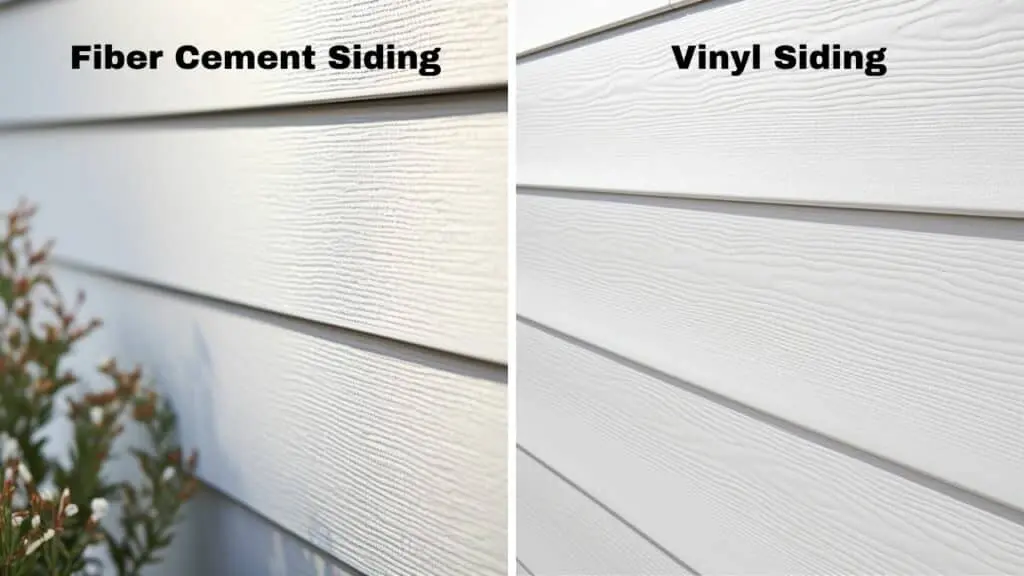
When deciding on the right exterior cladding, it helps to benchmark fiber cement against the most common alternatives.
- Vinyl Siding: Vinyl is cheaper up‑front but is prone to cracking in extreme heat and offers only a Class C fire rating.
- Metal Siding: Metal is lightweight and recyclable, yet it can dent and may require special fasteners to prevent rust. For a detailed look at metal siding benefits, see our Metal Siding 2026 guide.
- Wood Siding: Wood provides natural aesthetics but demands regular sealing, painting, and termite protection.
- Fiber Cement: Higher material cost, but the lifecycle cost is lower due to durability, fire safety, and minimal upkeep.
Installation Overview: What Homeowners Should Expect
Professional installation is essential to unlock the full performance of fiber cement siding. Below is a step‑by‑step outline that contractors typically follow:
- Substrate Preparation: Inspect and repair the sheathing, ensuring it is level and free of moisture.
- Weather‑Resistant Barrier (WRB): Apply a house‑wrap or building paper to improve air and water control.
- Fastening System: Use corrosion‑resistant nails or screws placed at 16 inches on center, following the manufacturer’s torque specifications.
- Cutting and Fitting: Boards are cut with a carbide‑tipped saw to avoid chipping. Precision is key around windows, doors, and trim.
- Painting: Most fiber cement products arrive pre‑primed; a high‑quality acrylic paint is applied in two coats for UV protection.
For a complete guide on selecting the right board, installation tips, and cost breakdown, refer to our Hardie Board 2026 guide, which covers the leading brand in this segment.
Cost Considerations in 2026
While the material cost of fiber cement sits between $6 and $10 per square foot (including delivery), the total installed price averages $12‑$18 per square foot after labor, underlayment, and painting. In contrast, vinyl typically costs $3‑$5 per square foot installed, but the long‑term maintenance and replacement expenses can erode the initial savings.
The Siding for House 2026 expert guide provides a detailed cost‑comparison matrix that helps homeowners calculate the 20‑year total cost of ownership, factoring in energy savings, warranty coverage, and resale value uplift.
Real‑World Case Studies
Case Study 1: Suburban Home in Austin, TX
John and Maya replaced their aging wood siding with fiber cement in 2025. After a year, they reported a 6 percent reduction in HVAC bills, and the new cladding passed the local fire department’s inspection with a Class A rating. The project cost $15,200 for a 1,200‑sq‑ft exterior, and the family expects the investment to pay off within 12‑15 years through energy savings and reduced maintenance.
Case Study 2: Coastal Condo in Miami, FL
A multi‑unit building opted for fiber cement panels to combat salt‑air corrosion. The durability tests performed by the University of Miami’s Building Science Department in 2026 showed no signs of degradation after 18 months of exposure, compared to a 25‑percent paint fade on adjacent vinyl units.
Common Mistakes and How to Avoid Them
- Skipping the WRB: Omitting a proper weather‑resistant barrier invites moisture infiltration, leading to mold growth behind the siding.
- Improper Fastening: Over‑driving nails can crack the board; under‑driving may cause wind uplift. Follow the manufacturer’s recommended head‑set depth.
- Using Incompatible Paint: Only acrylic or elastomeric paints are recommended; oil‑based paints can trap moisture.
- Neglecting Expansion Gaps: Fiber cement expands and contracts with temperature; a 1/8‑inch gap at each joint is essential to prevent buckling.
Future Trends Shaping Fiber Cement Siding
Industry analysts from the Construction Industry Institute (CII) predict three major trends for 2027 and beyond:
- Eco‑Friendly Formulations: Manufacturers are integrating recycled glass fibers and low‑carbon cement to reduce the product’s embodied energy by up to 15 percent.
- Textured Finishes: Advanced embossing techniques allow fiber cement to mimic wood grain, stone, or even brick without additional cladding layers.
- Smart Integration: Some brands are embedding sensor‑ready panels that monitor moisture levels and structural health, feeding data to building management systems.
These innovations promise to keep fiber cement at the forefront of sustainable, resilient building design.
FAQ – Quick Answers to Common Questions
Is fiber cement siding suitable for DIY installation?
While small repair jobs can be tackled by experienced DIYers, the cutting, handling, and finishing processes are best left to certified installers to maintain warranty compliance and ensure fire‑rating integrity.
How does fiber cement perform in extreme cold?
Tests by the Canadian Standards Association (CSA) in 2025 confirmed that fiber cement retains its structural strength down to -30 °C, with no brittle fracture observed.
Can I paint fiber cement siding myself?
Yes, provided you use a high‑quality acrylic paint and follow the recommended priming and curing times. For best results, consult the product’s technical data sheet.
What is the typical lifespan of fiber cement siding?
When installed correctly and maintained with periodic repainting, the siding can last 40‑50 years, far exceeding the average 20‑year lifespan of vinyl.
Does fiber cement improve home resale value?
According to the National Association of Realtors (NAR) 2026 market analysis, homes with fiber cement siding saw a 5‑8 percent price premium compared with comparable properties featuring vinyl or wood siding.
Choosing the Right Contractor
Because proper installation is critical, select a contractor experienced with fiber cement. Look for certifications from manufacturers such as James Hardie and verify that the crew follows local building codes. For assistance locating vetted professionals, explore our Find the Best Siding Near Me 2026 guide, which lists licensed contractors and offers tips on evaluating quotes.
Conclusion: Is Fiber Cement Siding Worth the Investment?
Fiber cement siding delivers a rare combination of fire‑resistance, weather durability, low maintenance, and energy efficiency—all backed by robust warranties and a growing body of performance data. While the upfront cost is higher than vinyl or wood, the long‑term savings, safety benefits, and aesthetic versatility make it a compelling choice for homeowners who value resilience and sustainability. Whether you’re renovating a single‑family home or upgrading a multi‑unit complex, fiber cement stands out as a forward‑thinking solution that meets today’s building standards and tomorrow’s environmental goals.
For a comprehensive technical overview, see the Fiber Cement Wikipedia page.