When you type “siding near me” into a search box, you’re looking for a fast, reliable way to protect your home’s exterior while boosting curb appeal and energy efficiency. The quickest solution is to connect with local siding contractors who can assess your property, recommend the right material—whether vinyl, fiber‑cement, or insulated panels—and complete a professional installation on schedule. By choosing a nearby expert, you minimize travel time, get familiar with local building codes, and often enjoy faster, lower‑cost service.
Why Local Matters: The Core Benefits of Choosing Siding Near You

Finding a nearby siding contractor isn’t just about convenience; it directly impacts project quality and overall cost. According to the 2026 Home Improvement Survey by the National Association of Home Builders (NAHB), homeowners who hired local professionals reported a 15 % reduction in unexpected expenses and a 20 % faster completion time compared with out‑of‑state firms. The reasons are clear:
- Familiarity with local climate—Builders understand how humidity, temperature swings, and regional weather patterns affect material performance.
- Compliance with local codes—Permits, fire‑rating requirements, and HOA guidelines differ by municipality; local contractors navigate these hurdles seamlessly.
- Quick response for warranty work—If a seam lifts after a storm, a neighbor‑based crew can address it within days, not weeks.
Choosing the Right Material: A 2026 Overview of Home Siding Options
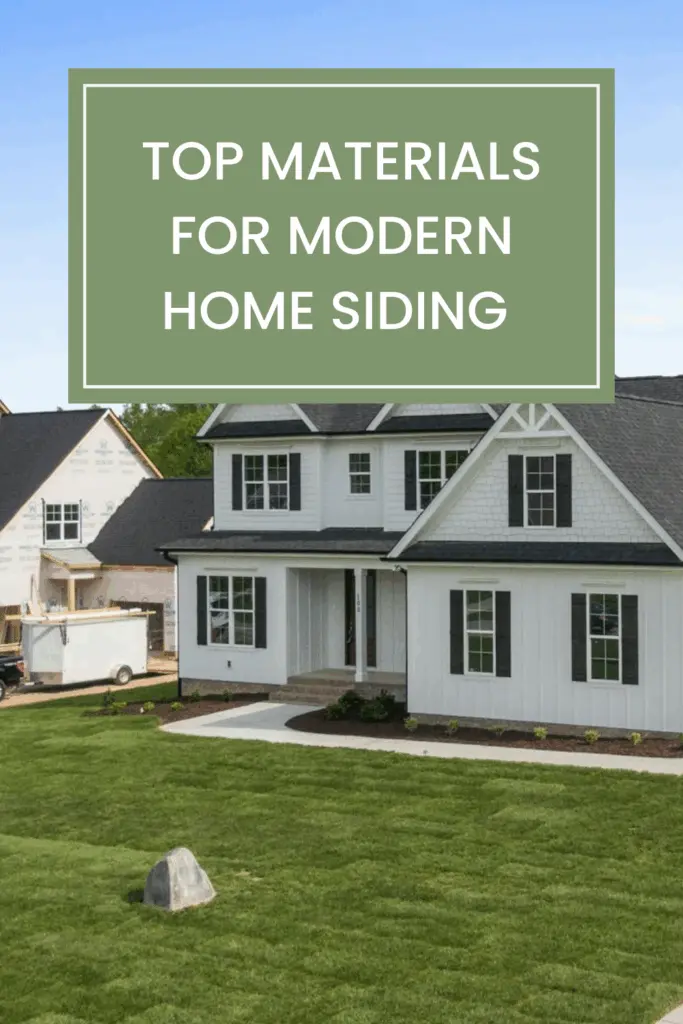
Modern homeowners have a broader palette than ever before. Below is a snapshot of the most popular choices in 2026, along with their typical cost per square foot and energy‑saving benefits.
| Material | Average Cost (2026) | R‑Value (Insulation) | Key Benefits |
|---|---|---|---|
| Vinyl Siding | $4–$7 | 0.5 – 1.0 | Low maintenance, wide color range, easy DIY |
| Fiber‑Cement | $7–$10 | 0.8 – 1.2 | Fire‑resistant, mimics wood, long lifespan |
| Insulated Vinyl | $8–$12 | 3.0 – 5.0 | Significant energy savings, reduces heating bills up to 15 % |
| Engineered Wood | $6–$9 | 0.6 – 1.0 | Natural look, affordable, requires periodic sealing |
| Metal Siding | $9–$13 | 0.4 – 0.8 | Durable, recyclable, ideal for modern aesthetics |
For a detailed dive into vinyl siding costs, installation steps, and energy‑saving advantages, see our Vinyl Siding 2026 Guide. If you’re curious about how different materials stack up against each other, the Siding for House: 2026 Expert Guide breaks down pros and cons in plain language.
Step‑by‑Step: How to Find and Hire the Best Siding Near Me
1. Start with a Local Search and Shortlist
Enter “siding near me” into Google or Bing, then filter results by rating, proximity, and portfolio. Pay attention to Google My Business photos—real project images reveal the quality of workmanship. Create a shortlist of 3‑5 contractors.
2. Verify Credentials and Insurance
Every reputable firm should hold a valid contractor’s license in your state and carry general liability and workers’ compensation insurance. The Better Business Bureau (BBB) and the NAHB’s “Certified Professional Builder” designation are reliable markers of legitimacy.
3. Request Detailed Estimates
Ask each candidate for a written estimate that itemizes:
- Material type and brand
- Labor hours and crew size
- Permitting fees
- Warranty coverage (minimum 10 years for material, 5 years for labor)
A transparent estimate helps you compare “siding cost estimate” apples‑to‑apples. Beware of lowball offers that omit essential steps such as moisture barrier installation or flashing.
4. Check References and Past Projects
Ask for at least three recent homeowners who can speak to the contractor’s punctuality, cleanup, and post‑installation support. Many local firms also showcase before‑and‑after galleries on their websites; these are invaluable for visualizing the end result.
5. Sign a Clear Contract
The contract should define the scope of work, payment schedule (typically 30 % deposit, 40 % mid‑project, 30 % upon completion), and a timeline with milestone dates. Include a clause for handling change orders to avoid surprise costs.
Real‑World Example: A Mid‑Size Suburban Home in Austin, TX
John Miller, a homeowner in Austin, needed to replace aging vinyl siding that was cracking after years of sun exposure. He searched “siding near me” and contacted three local firms. After reviewing estimates, he chose a contractor that offered insulated vinyl siding with an R‑value of 4.5. The project cost $9,800 for 2,200 sq ft, a 12 % increase over standard vinyl but promised an annual heating bill reduction of $350, according to the Texas Energy Conservation Office.
The crew completed the installation in eight days, adhered to the city’s wind‑load requirements, and provided a 10‑year labor warranty. Six months later, John reported no water infiltration despite a severe hailstorm, confirming the value of hiring a knowledgeable local team.
Common Pitfalls and How to Avoid Them
- Skipping the moisture barrier—Even the best siding fails if water seeps behind it. Insist on a quality housewrap such as Tyvek®.
- Choosing the cheapest material—Low‑cost options may lack UV inhibitors, leading to fading and warping within a few years.
- Neglecting proper flashing—Improper flashing around windows and doors is a leading cause of water damage.
- Not checking for local rebates—Many municipalities and utility companies offer rebates for energy‑saving siding; missing these can cost you up to $2,000.
FAQ: Quick Answers to the Most Asked Questions
What is the average lifespan of vinyl siding?
High‑quality vinyl siding typically lasts 25–30 years when properly maintained, according to the Vinyl Siding Institute’s 2026 report.
Can I install siding myself?
DIY installation is possible for experienced handymen, but professional installers ensure airtight sealing, correct nailing patterns, and compliance with local building codes. Mistakes can void warranties and lead to costly repairs.
How much does it cost to replace siding per square foot?
In 2026, the national average ranges from $4 to $13 per square foot, depending on material and region. For example, insulated vinyl in the Pacific Northwest averages $10.5 per sq ft, while fiber‑cement in the Southeast runs around $8 per sq ft.
Do I need a permit?
Most jurisdictions require a building permit for exterior renovations that affect the building envelope. Your local contractor will typically handle the permit application as part of the service.
Are there energy rebates for new siding?
Yes. The U.S. Department of Energy’s 2026 Energy Efficiency Incentive Tracker shows that over 30 % of states offer rebates ranging from $500 to $2,500 for installing high‑R‑value siding.
Future Trends: What’s Next for Home Siding in 2027 and Beyond?
Industry analysts from Deloitte’s 2026 Home Renovation Outlook predict three major shifts:
- Smart Siding—Embedded sensors that monitor moisture, temperature, and structural movement, sending alerts to homeowners via mobile apps.
- Eco‑Friendly Materials—Recycled aluminum and bio‑based composites are gaining traction, with a projected 18 % market share by 2028.
- Prefabricated Panels—Modular, snap‑together panels reduce onsite labor by up to 30 % and improve installation precision.
Staying informed about these innovations can help you future‑proof your home and possibly increase resale value. For a deeper look at how to select top vinyl siding contractors, explore our Find Top Vinyl Siding Contractors Near Me – 2026 Expert Guide.
Bottom Line: Turning “Siding Near Me” Into a Smart Investment
Choosing a local siding professional is the most efficient path to a durable, attractive, and energy‑efficient home exterior. By following the step‑by‑step hiring process, understanding material options, and avoiding common mistakes, you can protect your investment for decades. Remember to leverage local rebates, verify credentials, and request detailed, transparent estimates—then sit back as your home gets a fresh, lasting makeover.
Ready to start? Use a reliable search for “siding near me,” compare the top-rated contractors, and schedule a free on‑site consultation today.