Homeowners start looking for siding replacement when cracks, warping, or fading begin to undermine both curb appeal and energy performance, and the quickest solution is a thorough removal and upgrade to a more durable material. Replacing siding not only restores a fresh, polished look but also improves insulation, reduces maintenance, and can increase property value—making it a smart investment for anyone planning an exterior home renovation.
Why Replace Your Siding Now?
Even the toughest siding systems degrade over time. According to the National Association of Home Builders (NAHB) 2026 Housing Market Report, 23 % of homeowners intend to replace their exterior cladding within the next year, citing water damage, mold, and outdated aesthetics as primary drivers. Ignoring early signs such as water stains, peeling paint, or loose panels can lead to costly structural repairs later. Moreover, ENERGY STAR data from 2025 shows that insulated siding can cut heating bills by up to 12 %, underscoring the financial upside of an upgrade.
Choosing the Right Siding Material
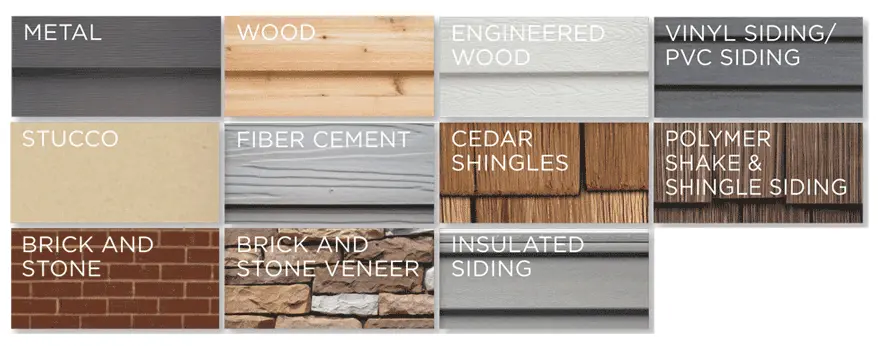
Modern siding options blend durability with design flexibility. Below are the most popular choices in 2026, each with its own set of advantages:
- Fiber cement siding – Offers excellent fire resistance and mimics wood grain without the upkeep. See the comprehensive guide to fiber cement benefits for deeper insights.
- Hardie Board – A leading brand of fiber cement known for its longevity and low maintenance. The Hardie Board Siding 2026 guide breaks down cost and installation tips.
- Aluminum siding – Lightweight, rust‑proof, and ideal for coastal areas. For performance details, check out the Aluminum Siding 2026 guide.
- LP SmartSide – Engineered wood that resists dents and moisture, perfect for DIY projects. Review the LP SmartSide 2026 review for installation nuances.
- Metal siding – Offers a sleek, modern look and exceptional durability. Learn more in the Metal Siding 2026 guide.
Factors to weigh before deciding
When selecting a new cladding, consider the following LSI‑style criteria:
- Climate suitability – Some materials perform better in humid or freeze‑thaw environments.
- Installation cost – Labor rates vary; fiber cement typically costs $7‑$12 per square foot installed, while vinyl remains the most budget‑friendly at $3‑$5.
- Energy efficiency – Insulated panels add R‑value, reducing heating and cooling loads.
- Maintenance needs – Wood‑look options may require periodic repainting, whereas metal or fiber cement are virtually maintenance‑free.
Cost Breakdown for Siding Replacement
Understanding the financial picture helps homeowners budget wisely. Below is a 2026 average cost analysis per square foot, inclusive of materials and labor:
| Material | Material Cost | Installation | Total Avg. |
|---|---|---|---|
| Fiber cement (Hardie Board) | $5‑$8 | $4‑$6 | $9‑$14 |
| Aluminum | $4‑$7 | $3‑$5 | $7‑$12 |
| LP SmartSide | $3‑$6 | $3‑$5 | $6‑$11 |
| Metal | $6‑$9 | $5‑$8 | $11‑$17 |
| Vinyl (baseline) | $2‑$4 | $3‑$4 | $5‑$8 |
Additional expenses may include removal of old siding ($1‑$2 per sq. ft.), disposal fees, and any necessary repairs to sheathing or insulation. Homeowners who hire top‑rated professionals—found via the Find Top Siding Companies Near Me in 2026 guide—often see better warranty coverage and fewer post‑install issues.
Step‑by‑Step Guide to a Successful Replacement
Below is a practical roadmap for homeowners or contractors planning a siding overhaul:
- Assessment & Permits – Conduct a thorough inspection for rot, mold, or structural damage. Secure any required building permits; many municipalities now require energy‑performance documentation.
- Material Selection – Choose a siding type based on the factors discussed. Order a 5‑10 % excess to account for waste.
- Removal – Carefully strip the existing cladding. For fiber cement, use a reciprocating saw with a carbide blade to avoid dust inhalation.
- Repair & Insulation – Replace damaged sheathing, add house‑wrap, and install insulated backer board where appropriate. This step can improve R‑value by up to 3 points.
- Installation – Begin at the bottom, using a level and nail gun to secure panels. Follow manufacturer’s recommended fastener spacing (typically 6 in. for fiber cement).
- Finishing Touches – Apply trim, caulk seams, and paint if needed. Ensure all joints are sealed to prevent water ingress.
- Inspection & Cleanup – Conduct a final walk‑through, address any gaps, and remove debris responsibly.
Professional siding contractors often incorporate a moisture barrier and insulated foam to boost energy efficiency—a tip highlighted in the Fiber Cement Siding 2026 ultimate guide.
Common Mistakes Homeowners Make
Even seasoned DIYers can slip up. Avoid these pitfalls to ensure a long‑lasting finish:
- Skipping the moisture barrier – Leads to hidden rot and mold.
- Using the wrong fastener – Undersized nails can pull out under wind loads; over‑driving can split panels.
- Neglecting expansion gaps – Siding expands with temperature; without gaps, panels may buckle.
- Underestimating disposal costs – Some cities charge per ton for construction waste.
- Choosing a low‑grade material for harsh climates – In coastal zones, non‑corrosive metals or fiber cement outperform plain vinyl.
Real‑World Case Study: From Faded to Fabulous
John and Maya Patel, homeowners in Tampa, FL, replaced their 12‑year‑old vinyl siding after repeated water intrusion. They chose Hardie Board for its hurricane‑grade rating and aesthetic flexibility. The project cost $13,200 for a 2,400 sq. ft. home, which included removal, new insulated sheathing, and a 3‑year warranty.
Post‑installation, their energy bills dropped by 9 % during the summer, aligning with ENERGY STAR’s findings. Moreover, the home’s market appraisal increased by $15,000, confirming the value‑add of a well‑executed siding replacement.
Frequently Asked Questions
How long does a siding replacement typically take?
For an average 2,000 sq. ft. residence, professional crews complete removal and installation within 7‑10 business days, weather permitting.
Can I replace siding myself?
DIY is feasible for experienced handymen, especially with vinyl or aluminum. However, fiber cement and insulated panels often require specialized tools and safety gear (e.g., respirators for dust). Hiring licensed contractors ensures compliance with local building codes.
What is the lifespan of different siding materials?
Vinyl: 20‑30 years; Fiber cement (including Hardie Board): 40‑60 years; Aluminum: 30‑50 years; LP SmartSide: 30‑40 years; Metal (steel/aluminum): 50‑70 years with proper coating.
Does siding affect home resale value?
Yes. A 2025 Zillow analysis found homes with new siding sell for an average of 5 % more than comparable properties with original cladding.
Are there any rebates for energy‑efficient siding?
Several utilities and state programs offer up to $1,500 rebates for insulated siding installations that meet ENERGY STAR criteria. Check local government websites for eligibility.
Future Trends to Watch in 2027 and Beyond
While 2026 already showcases advanced composites, the next wave will focus on sustainable manufacturing and smart integration. Expect to see:
- Recycled content panels – Up to 30 % post‑consumer plastics blended into fiber cement.
- Integrated solar cladding – Thin‑film photovoltaic cells embedded within metal siding.
- IoT‑enabled moisture sensors – Real‑time alerts for water infiltration, accessible via smartphone apps.
Staying ahead of these developments can future‑proof your investment and keep your home at the forefront of energy‑saving technology.
Whether you’re a DIY enthusiast or a homeowner ready to hire professionals, a well‑planned siding replacement delivers immediate visual impact, long‑term cost savings, and a boost in property value. Start by assessing your current cladding, choose the material that aligns with your climate and budget, and follow a disciplined installation process—your home will thank you for years to come.