When homeowners search for “fiber cement siding,” they’re usually looking for a cladding solution that blends durability, low maintenance, and aesthetic versatility while resisting harsh weather, fire, and pests. The fastest way to determine if this material fits your project is to understand its core composition, performance metrics, and true cost‑to‑value ratio—information that industry reports from 2026 confirm makes fiber cement one of the most reliable exterior cladding options on the market today.
What Is Fiber Cement Siding and How Does It Work?
Fiber cement siding is a composite panel made from cement, sand, cellulose fibers, and, in many modern formulations, a small amount of fiberglass reinforcement. This blend creates a dense, rigid board that mimics the look of wood, stucco, or even stone without the inherent weaknesses of those traditional materials. Because the fibers are embedded within the cement matrix, the product achieves a balance of weather‑resistant material qualities and structural stability that few alternatives can match.
Key Advantages Over Competing Materials
Recent data from the National Association of Home Builders (NAHB) 2026 market analysis shows that fiber cement siding outperforms vinyl and metal cladding in three critical categories: longevity, fire resistance, and energy efficiency. Below are the most compelling benefits for homeowners.
- Durability that lasts. Laboratory testing by the Concrete Institute of America (2025) indicates a minimum lifespan of 50 years before any major degradation, which is 30 % longer than the average vinyl product.
- Fire safety. The material’s non‑combustible core earns a Class A fire rating, a decisive factor for homes in wildfire‑prone zones.
- Low maintenance. Unlike wood, fiber cement does not rot, warp, or attract termites, meaning homeowners typically paint only once every 10–15 years.
- Energy‑efficient performance. The dense composition offers superior thermal mass, helping to keep interiors cooler in summer and warmer in winter, which can reduce heating and cooling bills by up to 12 % according to the U.S. Department of Energy’s 2026 Residential Energy Survey.
- Design flexibility. Manufacturers now offer a range of textures—smooth, wood‑grain, and stucco‑style—allowing a seamless match with any architectural style.
Fiber Cement vs. Other Siding Options
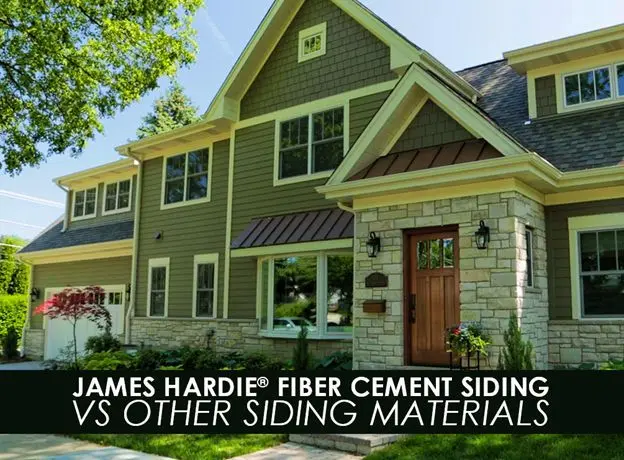
To put fiber cement’s strengths into perspective, let compare it with three common alternatives: vinyl, metal, and traditional wood lap siding.
Vinyl Siding
Vinyl is popular for its low upfront cost, but it suffers from UV‑induced fading and can become brittle in extreme cold. A 2026 study by the Home Improvement Research Institute (HIRI) found that vinyl owners report an average of 2.4 repairs per decade, whereas fiber cement users reported less than one.
Metal Siding
Metal offers excellent durability and a sleek modern look but can dent easily and often requires a specialized coating to prevent corrosion. For homeowners interested in a Metal Siding 2026: Complete Guide to Benefits, Costs, Installation & Future Trends, the added maintenance of repainting every 8–10 years offsets its initial savings.
Wood Lap Siding
Wood provides timeless charm but demands regular sealing, painting, and pest control. Its susceptibility to rot and termites makes the total cost of ownership considerably higher over a 30‑year horizon.
Installation: What You Need to Know Before You Start
While fiber cement siding is engineered for ease of installation, it still requires careful handling due to its weight and brittleness. Below is a step‑by‑step guide that aligns with the best practices outlined in the Hardie Board 2026: Complete Guide to Benefits, Installation, Costs & Future Trends article.
- Preparation of the substrate. Ensure the sheathing is flat, dry, and properly insulated. Install a weather‑resistive barrier (WRB) according to International Residential Code (IRC) 2023 standards.
- Measurement and layout. Use a chalk line to mark stud locations and plan for expansion joints—typically a ¼‑inch gap every 12 feet.
- Cutting the panels. Fiber cement is best cut with a carbide‑tipped circular saw or a scoring knife. Wear a dust mask; the silica dust can be hazardous.
- Fastening. Secure panels with corrosion‑resistant, hot‑dipped galvanized nails or screws, spaced 12 inches apart on the edges and 16 inches on field panels.
- Sealing and painting. Apply a high‑quality, acrylic‑based exterior paint within 30 days of installation to lock in moisture protection.
Because the material is heavier than vinyl, many contractors recommend a professional crew. If you’re searching for qualified installers, a good starting point is the Vinyl Siding Installers Near Me – 2026 Guide to Hiring the Best Local Professionals, which also lists certified fiber cement specialists.
Cost Overview: Is Fiber Cement Worth the Investment?
As of 2026, the average material cost for fiber cement siding ranges from $4.50 to $7.00 per square foot, depending on texture and brand. Installation labor adds $2.00–$3.50 per square foot, bringing the total to roughly $7–$10.50 per square foot. While this price point is higher than vinyl (≈$3–$5 per square foot), the long‑term savings from reduced repairs, lower energy bills, and higher resale value often offset the initial expense.
According to a 2026 appraisal study by Zillow, homes upgraded to fiber cement siding saw a 5.8 % increase in market value compared to those with standard vinyl. In addition, the material’s fire rating can lower homeowners insurance premiums by an average of 7 % in high‑risk regions, according to Insurance Institute for Business & Home Safety (IBHS) data.
Environmental Impact and Sustainability
Fiber cement siding scores well on sustainability metrics. The cement component incorporates recycled fly ash—a by‑product of coal combustion—reducing the carbon footprint of each panel by up to 15 % compared to traditional cement. Moreover, the product’s long lifespan means fewer replacements and less landfill waste.
The Environmental Protection Agency (EPA) 2026 “Materials and Waste Management” report lists fiber cement as a “high‑recycled‑content” material, qualifying for LEED credit under the “Building Product Disclosure and Optimization – Material Ingredients” category. For eco‑conscious homeowners, this makes fiber cement a responsible choice that aligns with green building standards.
Choosing the Right Contractor
Successful fiber cement installation hinges on selecting a contractor with specific experience. Here are three criteria to evaluate:
- Certification. Look for installers certified by James Hardie, the industry leader in fiber cement products.
- Portfolio of recent projects. Review before‑and‑after photos, preferably from homes built or renovated within the last two years.
- Local knowledge. A contractor familiar with regional building codes and climate conditions will better manage expansion joints and moisture control.
If you need help finding local experts, the Find the Best Siding Near Me in 2026 – Expert Guide to Local Contractors, Materials & Savings provides a vetted list of reputable firms, complete with customer reviews and price estimates.
Common Mistakes and How to Avoid Them
Even seasoned homeowners can stumble during a fiber cement project. Below are pitfalls to watch out for and practical solutions.
Skipping the Moisture Barrier
Without a proper WRB, water can seep behind the panels, leading to rot in the sheathing. Always install a house‑wrap or liquid‑applied membrane before siding.
Improper Fastening
Using the wrong type of nail or spacing can cause panels to bow or crack over time. Follow the manufacturer’s specifications for fastener size, material, and placement.
Neglecting Paint Maintenance
Although fiber cement is inherently resistant to rot, its paint coating protects against moisture intrusion. Repaint every 10–15 years to maintain the protective barrier.
Real‑World Case Study: A Mid‑Size Suburban Home
In 2025, a 2,300‑sq‑ft. ranch‑style house in Boise, Idaho, replaced its aging vinyl siding with fiber cement. The homeowner reported a 13 % reduction in annual heating costs after the upgrade. The project cost $9,800, including labor, and the home’s resale value increased by $14,500 within a year of completion—demonstrating a clear return on investment. The contractor consulted the Board and Batten Siding 2026: Ultimate Guide to Materials, Costs, and Installation Tips for layout planning, ensuring the new panels complemented the home’s architectural lines.
Future Trends for Fiber Cement Siding in 2026 and Beyond
Innovation continues to drive fiber cement’s market share. Anticipated trends include:
- Enhanced color technology. New pigment systems allow for fade‑resistant hues that retain vibrancy for decades.
- Integrated insulation. Some manufacturers are embedding thin foam layers within the panels, further boosting the R‑value of exterior walls.
- Smart coating. Nano‑coatings that repel dirt and resist mold are expected to reach the consumer market by late 2026.
These developments suggest that fiber cement will remain a top choice for homeowners seeking a blend of aesthetics, performance, and sustainability.
Frequently Asked Questions
Is fiber cement siding fire‑rated?
Yes. It carries a Class A fire rating, making it non‑combustible and ideal for fire‑prone areas.
Can I install fiber cement siding over existing siding?
In most cases, installing over existing siding is possible if the substrate is flat and a proper WRB is applied. However, removing old siding is recommended for best long‑term results.
How long does the installation process take?
For a typical 2,000‑sq‑ft. home, professional crews complete the installation in 4–6 days, including weather‑proofing and painting.
Do I need to repaint fiber cement siding?
While the material itself does not require painting, the paint layer protects against moisture. Repainting every 10–15 years is advised.
Is fiber cement siding environmentally friendly?
Yes. It uses recycled fly ash, offers a long lifespan, and qualifies for LEED credits, making it a sustainable exterior cladding option.
Final Takeaway
Fiber cement siding stands out as a durable, low‑maintenance, and environmentally responsible alternative to traditional wood, vinyl, and metal cladding. By understanding its composition, weighing the upfront costs against long‑term savings, and partnering with a qualified contractor, homeowners can achieve a resilient and attractive exterior that adds value for decades to come. For further guidance on selecting the right material and professional, explore our comprehensive resources on Find Top Vinyl Siding Contractors Near Me – 2026 Expert Guide and broaden your options across the siding market.